The Risk of Idle Stock in Second-Hand Commercial Real Estate
Explore the risks of stranded inventory, declining demand, and effective pricing strategies in pre-owned commercial real estate. A look at income and value management in commercial properties.
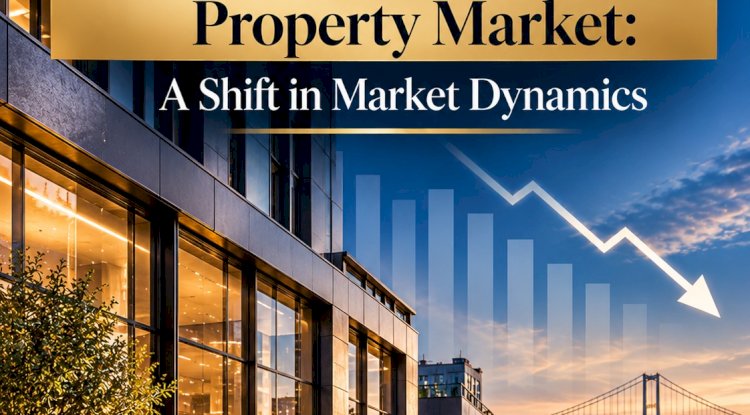
The contraction in Turkey’s commercial real estate market signals a new era for property owners and investors. While total sales of commercial properties declined by 5.1% between January and September, the 8.6% drop in the resale (second-hand) market indicates that existing commercial properties are facing greater difficulty in finding buyers.
Conversely, an increase in the sale of new commercial properties suggests a shift in investor preferences. So, why are second-hand commercial properties losing their former appeal?
Why is demand for second-hand commercial properties weakening?
Rising operating expenses, financing costs, and renovation expenditures are driving up the total cost of commercial real estate investments. In particular, the need for technical upgrades—often required for shops and offices in older buildings—can directly influence a buyer’s decision.
A competitive sale price alone is no longer sufficient. Beyond the purchase price, buyers now evaluate the need for additional investment, potential rental income, the risk of vacancy, and future resale potential.
Consequently, some commercial properties may remain on the market for extended periods, even when they occupy prime locations. The core issue is that not all properties attract the same level of demand, and price expectations do not always align with current market conditions.
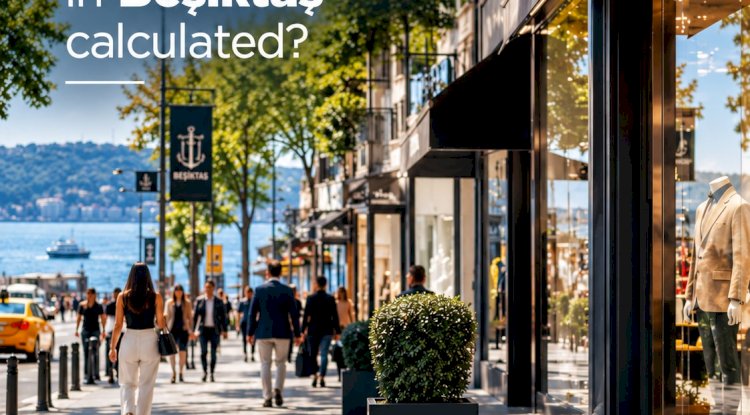
What is changing in the Beşiktaş commercial real estate market?
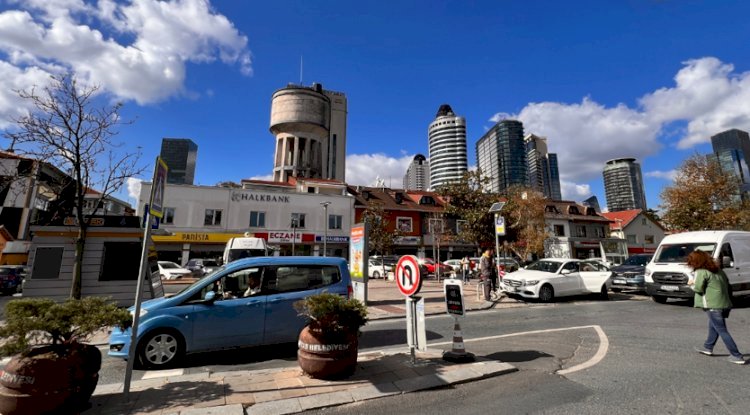
In areas such as Beşiktaş, Gayrettepe, and Esentepe—hubs concentrated with business centers—plaza-style offices and street-front retail spaces cater to distinct profiles of investors and occupiers. However, a strong location alone does not guarantee a quick sale or lease. The physical characteristics of a property, accessibility, building management, service charges, and suitability for the target user are among the factors that determine the competitiveness of commercial real estate.
What approach should property owners take?
To prevent commercial real estate from remaining idle, a realistic price and rental analysis must first be conducted. Subsequently, the ideal buyer or tenant profile should be identified, the property’s strengths highlighted, and alternative usage possibilities evaluated.
Strategic real estate asset management goes beyond merely overseeing the sale or leasing process. The objective is to preserve the property’s income-generating capacity, minimize vacancy periods, and bolster its long-term value.
In this new era for secondary-market commercial real estate, the winners will not simply be those who own property in the right location; rather, they will be those who effectively integrate pricing, marketing, and revenue management.
Read more: https://www.ekonomigazetesi.com/sektor-haberleri/ikinci-el-ticaride-atil-stok-buyuyor-90528
Ozkan OZEL
Strategic Real Estate Asset Management
Besiktas / Istanbul
What's Your Reaction?